Travel Centers Evolve, but Opportunity Remains
Oct 08, 2026 | 3 min read
By Ben Nussbaum
The boundary between travel center and convenience store is becoming blurred. C-stores are becoming larger and more food-focused, operators known for their c-stores are building travel centers and travel center operators are evolving to appeal to "four-wheeled" traffic.
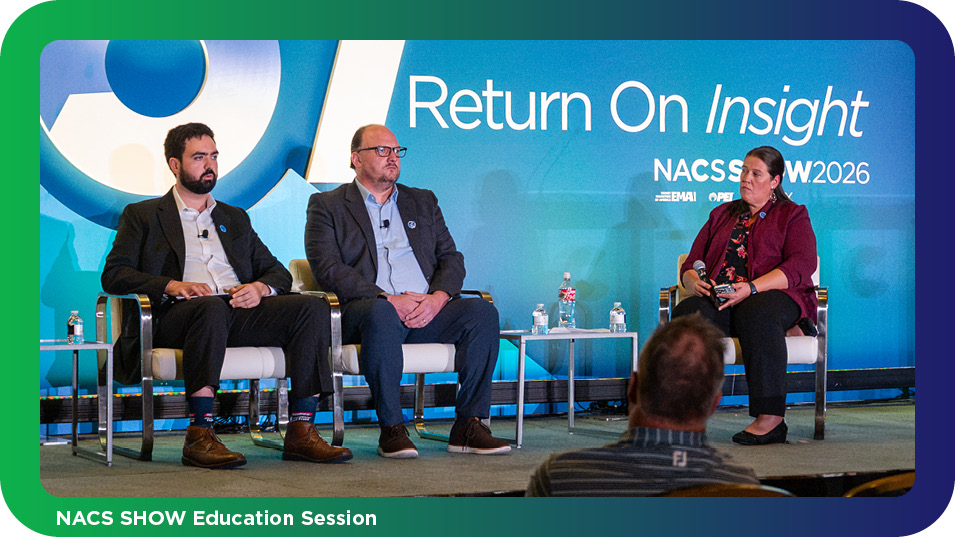
Still, "It's a big mistake to try to apply the same operating model to the two different store types if you have mixed portfolio," said Jeremie Myhren, cofounder of Onramp. He previously worked at Road Ranger, an operator that chose to divest from c-stores to focus exclusively on travel centers.
"It's certainly not impossible to serve both audiences under the same flag," Myhren said, but key differences include labor hours, what makes successful prepared food and grab-and-go offers, in-store merchandise assortment, wear and tear on the forecourt and tech needs—with a particular focus on payments.
Underlying the different business models are the needs of professional drivers compared to other customers. For a typical driver, if the c-store they stop at doesn't meet all their needs, they can pull into the one across the street. For professional drivers, the stakes are higher. Travel centers are farther apart, getting in and out is more arduous and the driver might be on a tight schedule as part of the federal government's Hours of Service regulations.
That means reliability becomes even more important, as does meeting all of a professional driver’s needs at a stop. Human interaction also plays a bigger role for this customer. "They've been stuck in a truck all day long. They want to get out. They want to talk to somebody," said Monica Androsko, vice president of brand, mobility and risk at LV Petroleum.
When it comes to foodservice, having at least a couple of different options is important. Androsko looks for a mix of offers that includes healthy and comforting options, and values having a national brand to appeal to passing drivers alongside house brands.
Nick LaFalce, senior marketing manager of fuel programs and partnerships at RaceTrac, stressed that marketing to this audience needs to focus on functionality. If you have scales, overnight parking, showers or laundry facilities, emphasize those features in your messaging.
Another key takeaway shared by everyone on the panel: How drivers choose where to stop has been data-driven for decades, but AI is fueling major changes.
Fuel optimization software has routed drivers to certain stops based on price for decades. "These were pretty basic algorithmic tools," Myhren said. Electronic logging devices were mandated in 2020 and have added another level of data. Telematics devices, which allow shippers to know the exact location of their freight, have become common as well. One immediate implication is that slow travel centers are flagged by this aggregate data, whether that slowness is caused by lines, construction or even issues with credit card readers. AI-driven dispatching is another level of change. It all adds up to a shift: Drivers who used to reliably take the same route, with the same stops from point A to point B, are finding new options.
"Twenty years ago," said Myhren, "you could pretty much throw a dart and build a successful truck stop as long as you went to the nearest interstate." Those days are gone, but the panel agreed that with the right approach, travel centers remain a strong opportunity.
Store development

Ben Nussbaum
NACS Media Publisher & Editor-in-Chief
NACS
Ben has more than 25 years of experience in publishing, including starting USA Today’s magazine program, which he grew into a multimillion-dollar-per-year business with more than 50 publications each year. Ben has been with NACS since 2023 and has been connected to the industry even longer. He worked at a Kum & Go in Iowa during college.
