Tobacco Lights Up Loyalty
Data shows nicotine shoppers are more engaged with convenience loyalty programs.
Oct 07, 2026 | 2 min read
The most recent 2026 Convenience Voices Annual Study from NACS found that while convenience store loyalty membership for survey respondents was 77.2% in 2026, it was even higher with tobacco/nicotine shoppers at 81.9%.
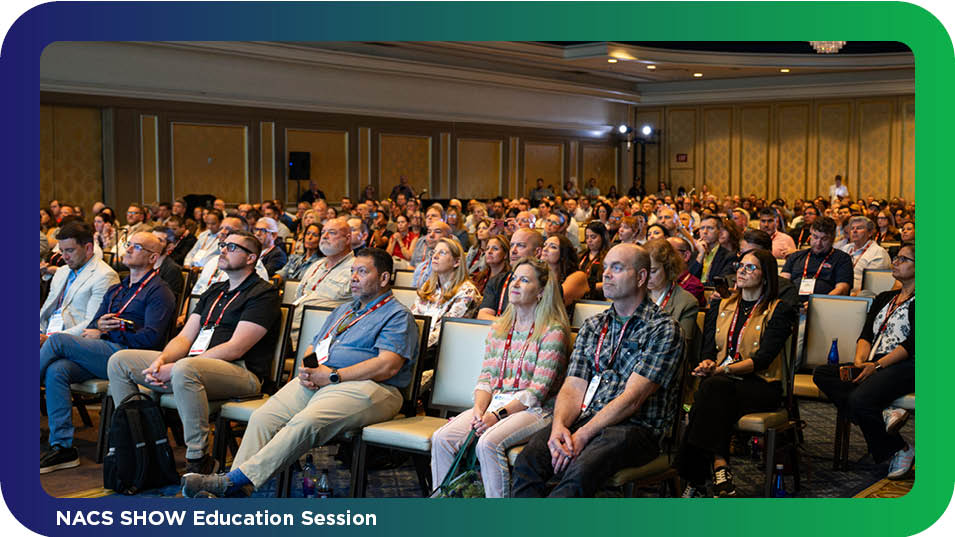
NACS Director of Research and Development Jayme Gough presented the data at the 2026 NACS Show Education Session “Puff, Purchase, Repeat – Winning With Tobacco Loyalty.”
“It’s a fact: our biggest tobacco customers are our most loyal customers,” said Jessica Starnes, director of loyalty and tobacco category manager at Weigel’s Stores Inc.
Starnes pointed to three areas that make a program successful: communication, expectations and analytics.
Open communication is needed between loyalty and tobacco teams as manufacturing contracts and programs are sophisticated and complicated, Starnes said.
As for expectations, retailers will need to know about scan data requirements and capabilities, Starnes said.
“Analytics are a must,” Starnes said. “You need to have in-house analytics. This is your source that the tobacco and loyalty programs are performing.”
Kathy Williams, senior category manager at TXB Stores, also emphasized the importance of scan data.
“The biggest thing is dirty or late scan data quietly forfeiting your rebates,” Williams said. “We have already as a company passed through that funding to our consumer, so if we submit scan data that comes back with errors and we don’t clean those errors up, we end up eating that funding.”
Store clerks should be trained to ask consumers if they would like to sign up for loyalty programs, according to Williams.
“We are convenience,” Williams said. “That’s where some friction happens because of speed.”
For retailers looking to start or improve a loyalty program, Starnes said don’t be afraid to try. As for connecting tobacco and loyalty, the manufacturers already have programs to get retailers started, Starnes said.
“You’re going to do 10 things and they’re not all 10 going to work,” Starnes said.
And measuring is a must.
“If you don’t measure it, it never happened,” Starnes said.