What Can Retailers Learn From Global C-Stores?
Director of NACS International Asia-Pacific George Zheng shares what he has been seeing across Asia.
Oct 02, 2026 | 5 min read
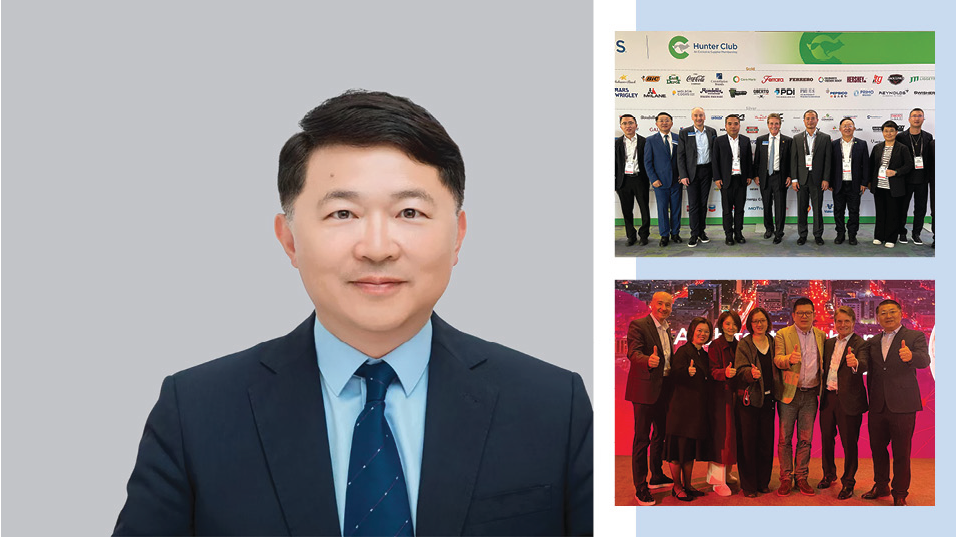
Director of NACS International Asia-Pacific George Zheng has a front-row seat to the innovative developments shaping convenience retail around the world. His goal is to bring retailers together to share insights, learn from each other and connect across international borders.
Why is it important for convenience retailers to think globally and pay attention to other markets?
There is no single retail model that is flawless or universally applicable. That is the first and most important reason convenience retailers should look beyond their own borders and learn from their international peers.
As Henry Armour, NACS chairman emeritus and CEO international, has often pointed out, every country’s convenience retail sector follows its own life cycle. What is emerging in one market today may become mainstream in another tomorrow. That is what makes thinking globally so valuable—retailers who look beyond their own markets can identify trends earlier and prepare for what’s ahead.
We’re seeing innovation take many forms. In Japan, retailers are experimenting with new store concepts that challenge traditional definitions of convenience retail. In China, AI is being used to improve pricing, inventory management, energy efficiency and store operations. Across Asia, retailers are responding to changing consumer expectations around delivery, foodservice and convenience.
The goal is not to copy what someone else is doing. The goal is to learn, adapt and apply ideas in ways that make sense for your own business.
What are some interesting retail trends you're seeing in Asia?
There are three major trends I’m seeing across Asia—and particularly in China, where I’m based—that I believe every retailer should be paying close attention to:
The EV Revolution: China is ground zero for the electric vehicle transformation. New energy vehicle (NEV) adoption has accelerated much faster than many people expected—half of new cars sold in China in 2025 were electric, and the Chinese government is calling for 40 million chargers by 2030. The question is no longer if your business model needs to change, but how fast can you adapt? The winners will be those who treat this as an opportunity to reimagine the forecourt, not as a threat to defend against.
Coffee: Across Asia, convenience retailers are doubling down on coffee and treating it as a serious foodservice business rather than a side category.
And they’re doing so in creative ways that are getting consumers’ attention. From in-store partnerships between c-stores and coffee roasters to dedicated café concepts and expanded seating areas, retailers are using coffee to drive foot traffic, increase basket size and build customer loyalty. The retailers winning in this space are treating coffee as a strategic category.
Car Wash: As fuel demand declines in some markets, car wash is emerging as an effective way to capture revenue. Across China, fuel retailers are increasingly using discounted or bundled car wash services to attract customers and differentiate their sites. It’s becoming a critical traffic-builder, particularly for EV drivers who may not be purchasing fuel but still need a reason to visit the forecourt. Car wash is about creating a reason for customers to choose your site and then converting that visit into a convenience store transaction.
What important initiatives is your team working on this year?
The first is the launch of the inaugural NACS Convenience Summit Middle East & Africa, which will take place in Riyadh, Saudi Arabia, in November 2026. This represents an important milestone because it will be the first time NACS has brought a full-scale summit to the region. We’re working closely with Saudi Aramco and expecting senior leaders from many of the region’s leading retailers and fuel operators to participate. We also have a full and expanding event calendar for 2027, including NACS Convenience Summit Asia in Kuala Lumpur, Malaysia.
The second is continuing to scale and strengthen the NACS Global Supplier Council to create more opportunities for meaningful collaboration between retailers and suppliers. We’re also seeing strong momentum in the exhibition components of our events. Across our summits, we’re creating more opportunities for retailers to discover new ideas and learn from suppliers in a focused, high-quality environment. Ultimately, we’re building a more connected and accessible global platform for convenience and fuel retail.
What recent accomplishments are you most proud of in the international efforts of NACS?
One accomplishment I’m particularly proud of is expanding the visibility and influence of NACS across Asia-Pacific. As someone who deeply understands Asian culture and business traditions, I take great pride in advancing NACS International’s mission across the region—building connections, sharing knowledge and championing advocacy in ways that resonate locally.
In 2026, we strengthened relationships with several retail associations throughout the region and helped organize a Chinese convenience store delegation to the NACS Show. We also facilitated leadership visits to markets such as Vietnam and Malaysia and signed a memorandum of understanding with the Association of Vietnam Retailers. Those efforts helped create stronger relationships and increased engagement with NACS throughout Asia.
Looking ahead, what excites you most about the future of NACS International?
It’s the opportunity to continue bringing the global convenience community closer together.
The industry is evolving faster than ever. Retailers are facing new technologies, changing consumer expectations and new forms of competition. No single market has all the answers. Those who stay within their own borders risk being left behind, while those who look outward, learn continuously and act decisively will shape the future of the industry.
