NACS Urges USDA to Follow the Law and Protect the SNAP Program
Restricting SNAP choice state by state forces retailers to choose between a compliance burden and leaving the program.
Oct 16, 2026 | 2 min read
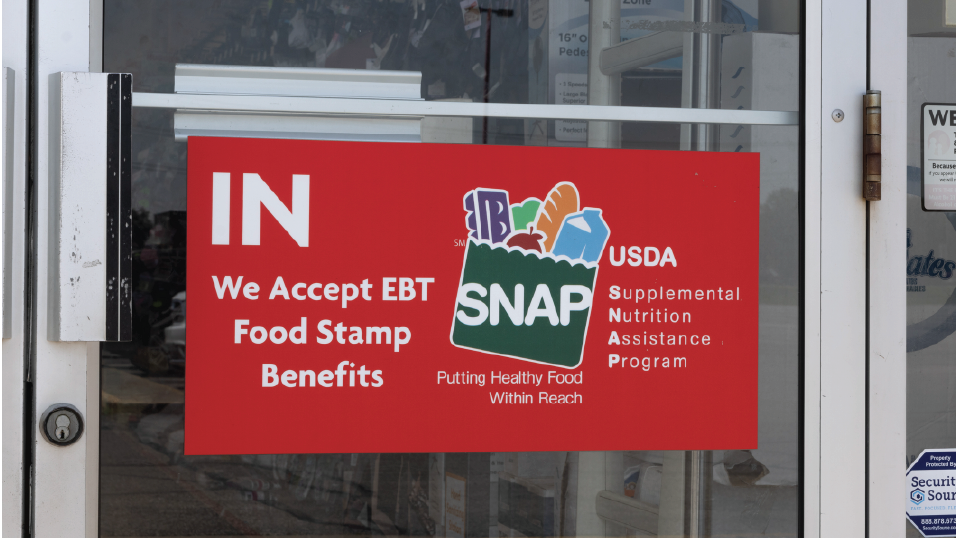
On Thursday, NACS; NATSO: Representing America’s Travel Centers and Truckstops (“NATSO”); and SIGMA: America’s Leading Fuel Marketers (“SIGMA”) submitted comments to the U.S. Department of Agriculture (USDA) about its recent SNAP restriction demonstration projects in several states.
“Restricting SNAP choice state by state forces retailers to choose between a complex and costly compliance burden and leaving the program,” said Margaret Mannion, director of government relations at NACS. “When they leave, it’s SNAP families who lose access to food. All of these problems could be avoided if USDA simply followed the law and rejected state-by-state restrictions.”
Starting in 2025, USDA approved the restriction projects in 23 states, but courts have struck them down in every state that has seen a legal challenge to date. In June of 2026, a U.S. District Court struck down SNAP food restriction waivers in five states, ruling that USDA didn’t have the legal authority to approve them in the first place. And in September, USDA posted notices requesting public comments on how each state’s waiver is implemented.
The projects allow those states to restrict the foods that SNAP beneficiaries can purchase with their benefits. NACS’ comments point out that the restricted foods are hard to identify because the state restrictions are vague and inconsistent. The restrictions have required the creation and maintenance of government-mandated approved foods lists in some places, while in others those lists have been too complicated to create. All of that increases operational costs and burdens for both USDA and SNAP retailers.
NACS, NATSO and SIGMA submitted comments covering the demonstration projects for 18 states in total.
“By submitting comments, we are explaining to USDA how confusing it is for retailers to manage a different set of food eligibility criteria in every state,” said Mannion. “Convenience stores are nearly half of all SNAP-authorized retailers. USDA should take retailers’ concerns seriously so we can keep serving the SNAP families who depend on us.”
SNAP
