How Better Recognition Can Support Retention
Clearer insight into checkout interactions can help managers coach new employees and recognize good work sooner.
Nov 18, 2026 | 3 min read
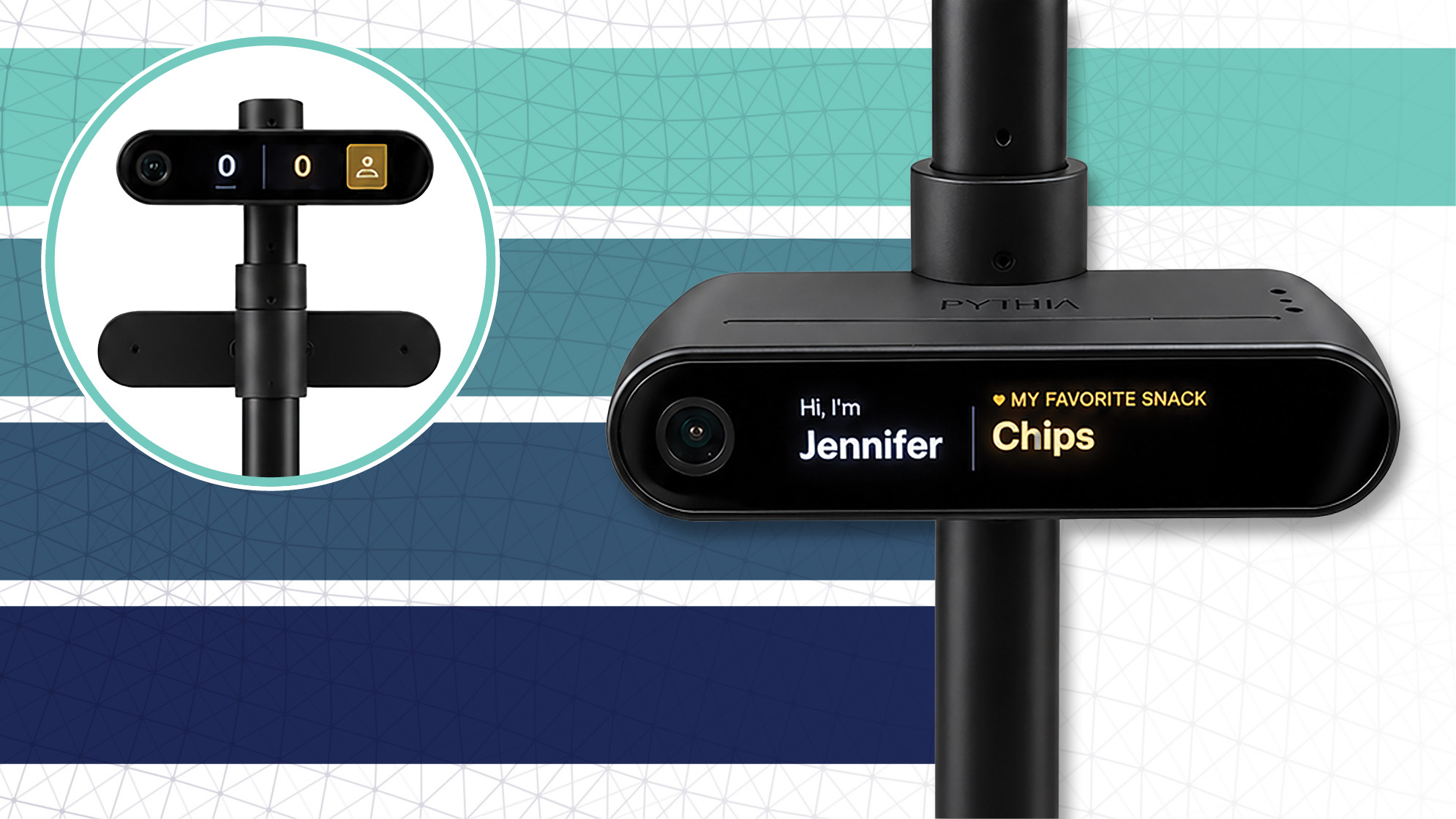
This article is brought to you by Pythia Scorecard.
A manager cannot watch every checkout interaction. An associate may be greeting customers, explaining promotions and handling a busy shift well without anyone noticing. A new employee may need more guidance before a manager has a chance to see where they are struggling.
That visibility gap matters in an industry where about one-third of employees leave within their first 90 days, according to the NACS Talent Insights Dashboard. Clear expectations, training, manager check-ins and recognition all have a role to play in helping employees get established.
“It is very difficult to constantly be training new employees, and that also makes it difficult to maintain a consistently high level of customer service,” said Nick Lynch, founder and CEO of Pythia Scorecard and a former retailer.
For managers, the challenge is knowing what support an employee needs and which good habits deserve recognition. Mystery shops provide a snapshot. More frequent insight into checkout interactions can give managers another place to begin.
Pythia Scorecard uses checkout hardware and AI to analyze customer-service interactions for defined behaviors, such as greeting and acknowledging customers, suggesting additional purchases, mentioning a loyalty program, engaging in conversation, and saying thank you. When interactions can be attributed to an employee, managers can use those insights, along with service-time measures, to identify opportunities for recognition and coaching.
Transaction data shows what was sold. Pythia’s interaction insights can be part of a broader employee-retention system, giving managers a starting point for regular coaching and recognition. The value comes from building those conversations into the daily routine.
The employee-facing Pythia device can also put service goals and prompts in front of associates during a shift, such as a reminder to mention the loyalty program.
In one store where employees were coached to higher standards during their shifts, Pythia Scorecard saw requests for rewards cards go from 6% of transactions to 50% and suggestive add-ons go from 5% of transactions to 35%, from the first week to the third week. Other interactions improved as well: greetings went from 22% to 65% of transactions, and transactions that ended with a "thank you" from the employee went from 73% to 93%.
Pythia adds an element of gamification to recognition, giving employees a way to see their progress and celebrate wins along the way. As employees reach customer-service milestones, they can earn Pythia Points and redeem them for company swag. Retailers choose the milestones and rewards, turning everyday moments of good service into opportunities for timely recognition.
“Employees want feedback for improvement and they want to be recognized for a job well done,” said Lynch.
A practical routine is a daily two-minute huddle between the store manager and employee to review Pythia KPI scores from yesterday’s shift. Recognize a specific success, discuss one area for improvement and ask what support the employee needs. For new employees especially, brief, high-touch attention can make expectations clearer and show where to improve.
This is the first in a two-part series on Pythia Scorecard. Part two will explore how customer-reported issues can help managers identify what needs attention in their stores.
Artificial Intelligence Employee Engagement
