What Commercial Mobility Data Can Tell Retailers About a Site
Data can help retailers make decisions about where to build a location, add parking and more.
Nov 17, 2026 | 2 min read
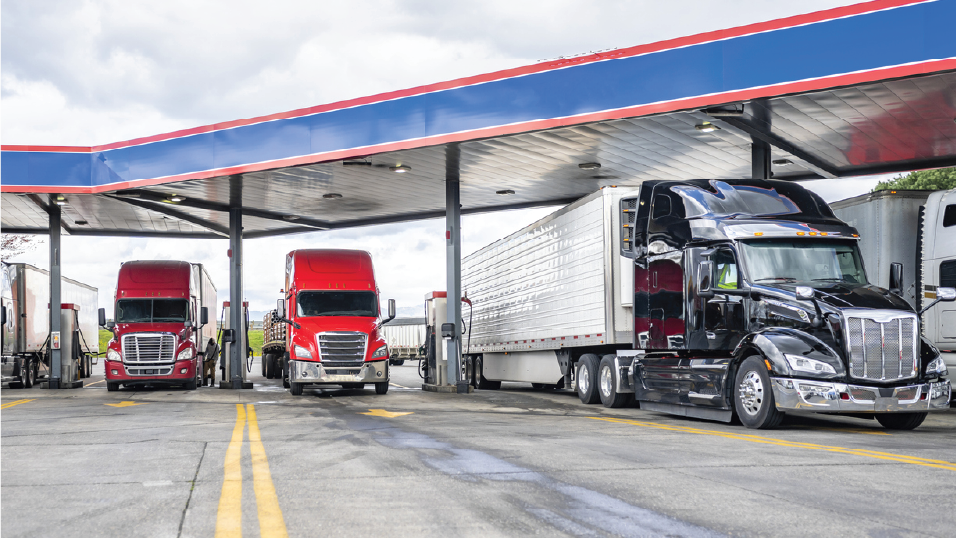
Convenience retailers have data about what happens inside their stores. But capturing the traffic outside the store, knowing where those customers come from and understanding where they may be stopping can be much more difficult.
During the recent NACS and Geotab virtual session, “Revealing Real Retail Demand with Deep Location Intelligence,” Tom Tylek, business development manager at Geotab, and Deepak Ramnath, lead product manager at Geotab, shared how commercial vehicle movement data can provide another layer of insight by showing what kinds of vehicles are passing a site and how they move through a market. This can help retailers evaluate potential sites, understand existing locations and identify opportunities they may be missing.
At the beginning of the webinar, attendees were asked how they knew how many trucks and work vans stopped at their stores. According to Tylek, 71% of respondents said they “do not really know.”
That information can matter when retailers are making decisions, including where to build a location or whether a store needs diesel lanes, additional parking or a different fleet offer.
“You can see your sales, fuel and loyalty data, but can’t necessarily see the competitor stores, the traffic going past or where trips start and end,” Ramnath said.
Geotab's Altitude platform draws from telematics data collected directly from commercial vehicles. According to Tylek, Geotab collects information from more than 6 million commercial vehicles and more than 100 billion data points each day. The information is aggregated and anonymized so that details such as driver names, VINs and company names are not disclosed.
That data can help operators differentiate between heavy trucks, light-duty trucks and vans and understand factors such as fuel type, trip length, vocation, dwell time and trip origins and destinations—and then help make informed decisions opportunities they may be missing.
A recording of the webinar can be viewed here.
